
Nyepi Day: When the Entire Island of Bali Stops and Reflects
Nyepi Day is one of the most important holy days in Balinese Hindu culture, celebrated as the Saka New Year. On this day, the entire island of Bali halts all activities, and the people engage in deep reflection. This article will delve deeper into the meaning, traditions, and the unique observance of Nyepi in Bali.
Related Posts:
What is Nyepi Day?
Nyepi is derived from the word "sepi," which means quiet or calm. For a full day, all Hindu believers in Bali observe fasting, meditation, and self-reflection. Nyepi Day falls on the first day of the Saka month in the Saka calendar, usually aligning with March or April in the Gregorian calendar. This quiet day marks the new year for Hindus in Bali.
The Meaning of Nyepi
Nyepi Day carries deep spiritual significance. It is a time for self-reflection, improving relationships with God, fellow humans, and the surrounding environment. In Hindu culture, it is important to eliminate negative energy to welcome the new year with a clean mind and heart. Some values taught through Nyepi include:
- Eco-Harmony: Establishing balance between human life, nature, and God.
- Self-Introspection: Facilitating the process of reflecting on actions and thoughts over the past year.
- Repentance: Purifying oneself from sins and mistakes to begin a better new chapter.
Traditions Leading Up to Nyepi Day
Before Nyepi, various traditional ceremonies are conducted in preparation for the new year. Some of these include:
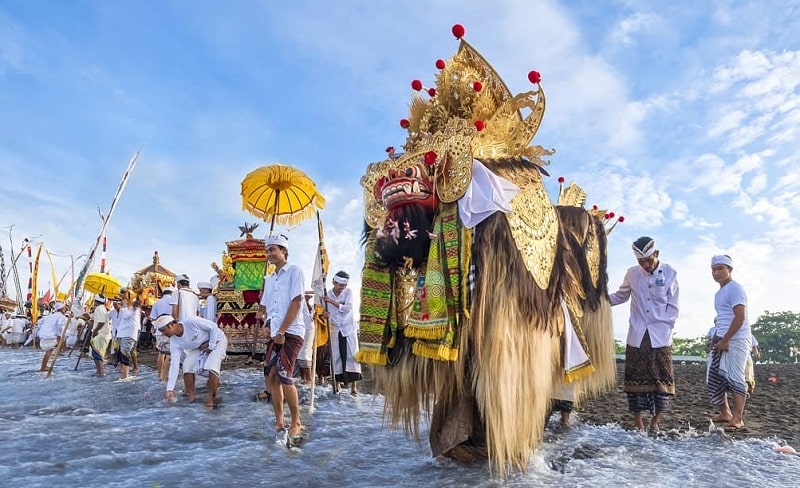
1. Melasti
Melasti is a cleansing procession for both oneself and the environment. Hindus perform rituals by bringing symbols of deities to the beach or water sources. This is a way to purify oneself from sins and seek blessings.
2. Omed-omedan
Omed-omedan typically takes place in Sesetan Village, where young men and women gather to splash water on each other as a symbol of purification. This is a joyful ritual that marks the transition from the old year to the new year.
3. Ogoh-ogoh Parade
Ogoh-ogoh are giant puppets made from bamboo and paper that symbolize bhuta kala or the forces of nature. On the eve of Nyepi, ogoh-ogoh are displayed in a parade and then burned as a symbol of driving away negative energy.
Observance of Nyepi Day
On Nyepi Day, nearly all activities in Bali come to a halt. Airports close, the streets are quiet, and there is no commercial activity. Here are some important aspects of the observance of Nyepi:
1. Catur Brata Penyepian
On Nyepi Day, Hindus adhere to the principles of Catur Brata Penyepian, which include:
- Amati Geni: Not lighting fire or electricity.
- Amati Karya: Not performing work or physical activities.
- Amati Lelungan: Not traveling or going out.
- Amati Swadaya: Not speaking and engaging in self-reflection.
2. Time for Reflection and Meditation
Nyepi Day is a time for meditation and reflection. Hindus contemplate their lives, work on self-improvement, and pray for peace and prosperity.
Global Impacts of Nyepi
Nyepi is celebrated not only in Bali. This festival attracts international attention and conveys important messages about sustainable living, balance, and spirituality. Many tourists are interested in attending the celebration, making Nyepi a significant part of Bali's cultural appeal.
Conclusion
Nyepi Day is a moment that not only celebrates the Saka New Year but also appreciates the values of spirituality and tranquility in life. By halting all activities, Hindus in Bali set an example for the world about the importance of introspection and harmony with nature. Through this celebration, many valuable lessons can be learned for everyday life.
By understanding the values and implementation of Nyepi, it is hoped that we all can apply the same spiritual principles in our lives, not just on Nyepi but every day. Let us reflect and seek tranquility amid our daily busyness so that we can live more meaningfully.
Related Posts:
The Unique Culture of Bali: Understanding Life Values in Every Ceremony |The Strength of Balinese Women in Preserving Ancestral Culture and Traditions |Subak Tradition: An Ancient Rice Irrigation System in Bali Recognized by UNESCO |466 286 Budaya bali
Video

0 Comments